BLOG: The Future of Cosmetic Medicine — What We Brought Home From NZSCM 2026
This September, our team travelled to beautiful Queenstown for the annual New Zealand Society of Cosmetic Medicine conference — and for me personally, it was
This September, our team travelled to beautiful Queenstown for the annual New Zealand Society of Cosmetic Medicine conference — and for me personally, it was
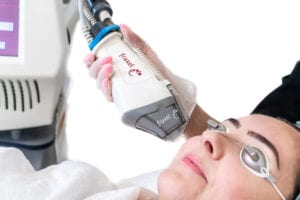
Fraxel laser is one of the most advanced skin rejuvenation treatments available today – but many people still don’t fully understand how it works or what results to expect. This guide breaks down everything you need to know in a clear, structured way.
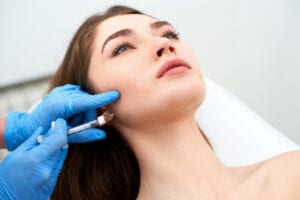
Sculptra has become one of the most talked about aesthetic treatments for restoring facial volume and improving skin quality – but it’s often misunderstood. This guide answers the most common questions people ask, in a format designed to give clear, reliable information.
Reclaim your comfort and confidence. This guide answers your top questions on how non-surgical vaginal revitalisation repairs tissue structure, improves bladder control, and restores natural hydration for long-term intimate health.
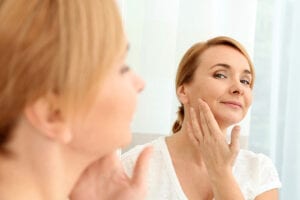
Tired of topical products that don’t reach the root of the problem? Discover how Profhilo targets chronic dryness, crepey texture, and laxity by bio-stimulating the skin’s natural repair processes for a firmer, more resilient foundation.
Are you dreaming of smoother, clearer, more youthful-looking skin? Medical-grade laser treatments can be a game-changer, but with so many options available, it’s hard to know where to start. That’s why we at the Vein & Skin Clinic believe in the power of a thorough, personalised consultation. And the best part? Your initial 30-minute laser consultation is completely complimentary!

Facial veins, often appearing as tiny red, blue, or purple lines on the nose, cheeks, or chin, are a common cosmetic concern for many. While generally harmless, they can significantly impact one’s self-confidence and overall appearance. At Vein & Skin, we understand these concerns and offer advanced solutions to help you achieve clearer, more even-toned skin.
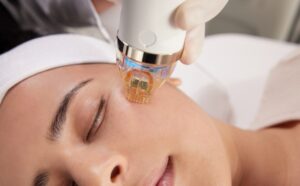
Are you looking for a powerful solution to combat signs of ageing, reduce scarring, or simply achieve a more youthful, revitalised complexion? At Vein & Skin Clinic, we’re excited to offer the Secret™ RF (Radio Frequency) Microneedling system – a cutting-edge treatment that’s transforming skin rejuvenation.
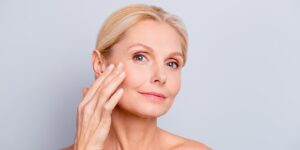
We all dream of having that healthy, youthful glow – skin that looks plump, hydrated, and naturally radiant. But factors like age, lifestyle, and the environment can often leave our skin looking dull, tired, and dehydrated. If you’re searching for a way to restore your skin’s vitality and achieve deep, lasting hydration, it’s time to learn about Redensity 1, the super boost hydration treatment offered here at Vein and Skin Clinic.
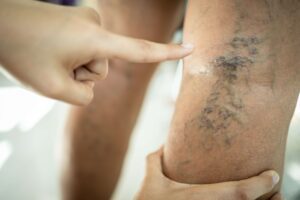
This post aims to demystify the process of vein treatments. We’ll walk through the common types of vein conditions and explain the specific, minimally invasive treatments we offer. Our goal is to help you understand the potential solutions and feel more confident discussing them with a specialist.
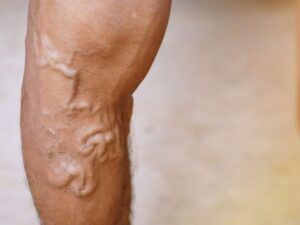
Are you bothered by bulging, twisted veins on your legs? Varicose veins are a common condition that can cause discomfort, achiness, and even leg cramps. If you’re looking for an effective treatment option, Endovenous Laser Ablation (EVLA) might be the answer.
In the quest for flawless skin, the world of skincare continually evolves, offering a myriad of solutions to address various concerns. Among these, carbon dioxide (CO2) laser treatments have emerged as a powerful tool in rejuvenating and enhancing skin appearance. But how exactly does this technology work its wonders? Let’s delve into the science behind the magic and discover how a CO2 laser can transform your skin.
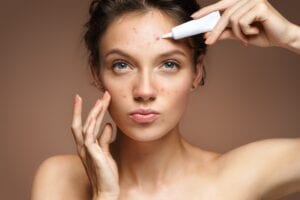
Those unwelcome guests on our faces (and sometimes backs, chests, and shoulders) can be a real drag. But what exactly causes these pesky pimples?
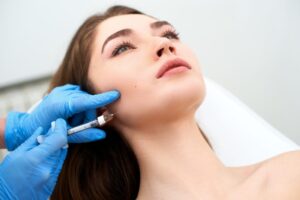
Are you looking for a way to address wrinkles and sagging skin? Radiesse might be the answer you’ve been looking for.

The LOTUS Gynolaser is a new frontier in women’s health, offering a non-surgical solution to address the conditions of vaginal laxity and atrophy. If you’re
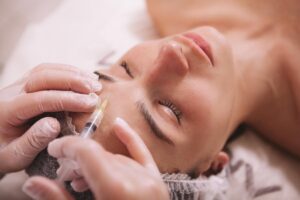
Looking for a way to refresh your skin and achieve a natural-looking glow? Profhilo might be the answer you’ve been searching for. This injectable treatment

This summer we all enjoy heading to the beach and local spots to soak up the sun’s warm rays. However, it is important to consider

Snoring is a common problem that affects millions of people around the world. It can be a nuisance to both the snorer and their partner,
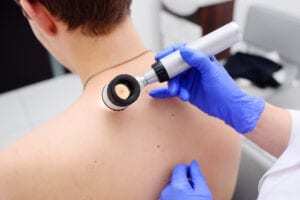
Have you ever marveled at the intricacies of the human skin? It’s a multifaceted organ that not only serves as a protective barrier but also
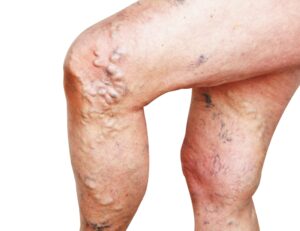
Varicose veins are a common medical condition that affects many people worldwide. While they are often seen as a cosmetic concern, varicose veins can lead

The Vein and Skin Clinic are experts when it comes to Photorejuvenation treatment. We utilise various methods including Lumenis M22 IPL, Quantum IPL, Fraxel (Laser) and Omnilux (LED) to
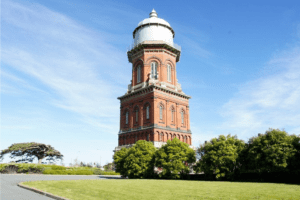
Did you know the Vein and Skin clinic also offer a range of services in Invercargill?Dr Henryk Poczwa regularly operates from the Southern Cross hospital, helping
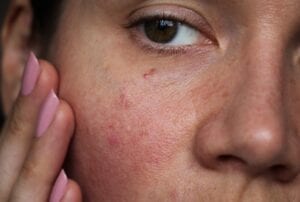
Visible redness to the face is often a sign of broken facial veins beneath the skin’s surface. When these tiny blood vessels and capillaries break beneath the
Varicose veins are not simply unsightly, but they can have genuine health impacts on your body. Most people with varicose veins will tend to develop other
Varicose Veins are not simply a cosmetic issue. They are a serious medical condition which can result in painful symptoms such as throbbing, swelling and

Athletes are, by definition, in peak physical condition. Every nuance of their life is carefully monitored to see if it influences their sports performance. From

Did you know almost half of adults snore occasionally, and a quarter snore compulsively? For most snoring is simply an annoying distraction when trying to sleep, but
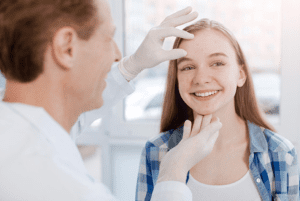
Acne is a tough nut to crack. It can affect anyone at any age but mostly strikes during the already awkward teenage years. And while the
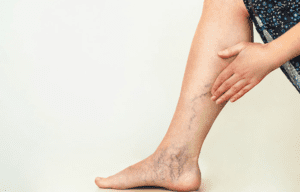
Spider veins are a common condition, typically found on the face, hands and legs. They develop as we age, with approximately 60% of people over 30 reporting spider veins somewhere on their body.

Snoring is a strange problem. Strange because it’s the only medical condition someone can have which directly affects other people’s health.

If you suffer from varicose veins, you might be reluctant to have treatment for one reason or another. But we’re here to tell you that you need not suffer any longer!
With many assumptions, half-truths, and blatant lies out there about varicose veins, we thought it was time to set the record straight. And who better